What Is AI-Driven SEO and How Does It Work?
What exactly is AI-Driven SEO?
AI-driven SEO refers to the use of artificial intelligence to improve search engine optimization decisions across investigation, content, website structure, and performance analysis. Instead of relying only on manual checks, AI systems use machine learning, natural language processing, and predictive analytics to spot patterns in search engine algorithms, user behavior, and competitive content.
Practically speaking, AI-driven SEO helps businesses understand what searchers want, how content should be organized, and where a website may be missing opportunities to earn better rankings. It does not “hack” the system. It allows SEO teams to decide more intelligently and rapidly by turning large amounts of data analysis into clear recommendations.
For companies investing in web design, SEO services, and digital marketing, this matters because search visibility is no longer about targeting a few keywords. It comes down to relevance, content quality, semantic search, and the ability to address search intent across multiple pages and channels.
How AI Changes Traditional SEO
Traditional SEO often begins with keyword research, then goes into content writing, tuning, and link acquisition. AI transforms that workflow by making it more adaptive. Instead of manually sorting through keyword lists, Artificial Intelligence can group terms by topic, identify intent, and uncover content gaps at a faster pace than a person-led team on its own.
This shift is especially helpful when you are trying to understand search intent. A keyword like “best accounting firm” may imply research intent, while “accountant near me” indicates local service intent. AI systems can help classify these distinctions by examining SERP patterns, related queries, and the pages already appearing high.
Artificial Intelligence also improves content tuning. Rather than focusing only on exact-match keywords, it helps writers incorporate related entities, address likely follow-up questions, and build stronger subject clusters. That approach aligns better with modern algorithm changes, which prioritize pages that show depth, clarity, and topical relevance.
A further change is speed. A human SEO specialist may evaluate competitors one by one, while Artificial Intelligence can perform rival analysis at scale, measure page structures, and identify what separates strong pages from weak ones. That makes it easier to rank what will move the needle for unpaid traffic.
How AI-powered SEO Functions Step by Step
AI-driven SEO usually operates as a workflow, not a single tool. https://www.bing.com/maps/directions?rtp=~adr.100%20S%20Clinton%20Ave%20Rochester%2C%20NY%2014604 The method starts with data analysis. AI analyzes search queries, site metrics, content performance, and user behavior to discover patterns. It may look at click-through rate, bounce rate, engagement signals, and content gaps to determine what users actually respond to.
Next comes automation. AI can automate tasks like grouping keywords, generating content briefs, flagging duplicate pages, or monitoring technical issues. For example, it may alert a team when pages lose visibility after a major algorithm shift or when a group of pages has weak internal linking.
Afterward AI studies algorithm patterns. It looks for trends in the pages that consistently rank well for a given topic. Are they long-form? Do they include structured data? Are they optimized for voice search? Do they answer intent quickly or in a more detailed format? These insights help teams make strategic changes instead of guessing.
A useful process often looks like this:
- Collect data from search consoles, analytics, and ranking tools.
- Apply AI to find keyword clusters, intent types, and content opportunities.
- Analyze technical issues like crawlability, indexing, and page speed.
- Enhance page content, headings, internal links, and structured data.
- Measure changes in rankings, traffic, and conversions over time.
That step-by-step model helps teams stay focused on business outcomes rather than vanity metrics. The goal is not just traffic; it is the right traffic.
How AI Fits Into Web Design and SEO Services
AI is particularly helpful when web design and SEO services align closely. A website can have excellent content, but if the design is hard to follow, slow, or difficult to navigate, users may leave before converting. AI helps bridge that gap by reviewing user experience signals and spotting friction points in the customer journey.
For example, AI can surface issues with navigation depth, mobile usability, or ineffective calls to action. That matters because modern SEO is not only about ranking. It is also about whether the page retains visitors involved long enough to convert into leads or sales. Strong user experience improves better engagement, which can favorably influence SEO performance over time.
In technical terms, AI can help analyze technical SEO issues such as broken links, duplicate metadata, thin pages, slow load times, and poor mobile-first design. It can also support on-page SEO by recommending title tags, meta descriptions, header structure, internal links, and semantic variations that fit search intent.
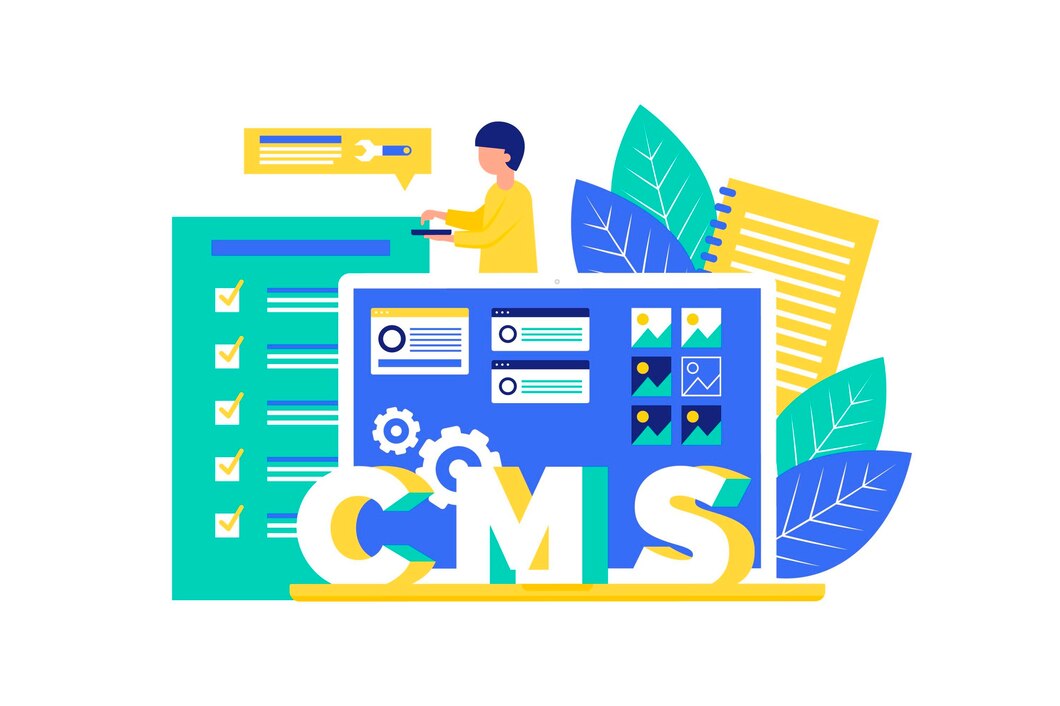
AI can also strengthen off-page SEO planning by identifying link opportunities, brand mentions, and content themes that are more likely to attract authority. While AI does not build relationships for you, it can tell you where outreach and digital PR efforts may be most productive.
How AI Supports Digital Marketing Plan
AI-based SEO is most effective when it backs the broader digital marketing plan. Search traffic is one part of the funnel, but the main benefit comes when SEO works alongside email, paid advertising, content marketing, and conversion strategy. AI helps teams coordinate those moving parts.
A major benefit is better content strategy. AI can pinpoint which subjects are most relevant to your audience, which questions they ask at different stages, and which pages should be built to support those needs. This is especially helpful for businesses trying to create content that drives lead generation rather than just exposure.
AI also improves performance tracking. Instead of reviewing only monthly traffic reports, AI can help spot early trends in rankings, user behavior, or page engagement. If a blog post starts losing visibility or a service page has a high bounce rate, the team can respond sooner.
Modern SEO is also connected to SERP features. AI can identify whether a page has a chance to appear in featured snippets, local packs, video results, or other SERP features. That insight can shape how a page is written, structured, and promoted.
What AI Experts Do in an AI-Driven SEO Workflow
AI experts and SEO specialists never merely click a button and let software run everything. Their role is to read the data, put strategy into action, and ensure the outputs are sensible for the business. AI can generate suggestions, but human expertise decides what is accurate, valuable, and consistent with brand goals.
AI experts often begin by picking the right tools and training the workflow around business objectives. They may analyze search patterns, connect content to buyer intent, and create frameworks for measuring outcomes. They also check that AI-generated recommendations are logical in context, especially when a website serves various audiences or regions.
Analytics is a major part of this role. AI experts evaluate traffic sources, user paths, conversion behavior, and ranking movement to determine whether changes are working. They also know how to separate useful signals from noise, which is critical when algorithm updates temporarily disrupt performance.
A strong workflow usually combines machine efficiency with human judgment. The best teams use AI to accelerate research and reporting while SEO specialists handle messaging, prioritization, and final quality control.
Pros and Cons of AI-Driven SEO
One of the biggest benefits of AI-driven SEO is scalability. A group can handle more keywords, pages, and competitors in less time. This becomes valuable for larger websites, multi-location businesses, and content-heavy brands that need to stay competitive across many search terms.
Another advantage is improved accuracy in repetitive analysis. AI can catch patterns humans may miss, especially when reviewing large datasets or comparing content across multiple pages. It can also help find inconsistencies in metadata, internal linking, or page targeting.
Still, there are limits. AI does not fully understand brand voice, customer nuance, or local market context the way humans do. It may recommend generic content if no one checks the output carefully. This is why human oversight remains essential.
AI is best treated as a helpful partner, not a replacement for experience. It can accelerate SEO work, but it cannot fully replace judgment, creativity, or local market knowledge.
Sunstone Digital Tech50 Fountain Plz #1400, Buffalo, NY 14202
(315) 758-3349
https://maps.app.goo.gl/y9HMhvcoPCh9V3eKA
https://sunstonedigitaltech.com/buffalo-marketing-agency/web-design
42.8898193, -78.8738661
There is also the risk of over-automation. If a business depends too heavily on AI without review, it may publish repetitive content, miss compliance issues, or ignore important context. The most effective programs use AI to support decisions, not make every decision automatically.
Artificial Intelligence-Driven Search Engine Optimization for Rochester, NY Businesses
For businesses in Rochester, NY, AI-driven SEO is especially useful because the local market is very competitive across neighborhoods and service areas. Businesses need exposure in city-wide searches as well as neighborhood and nearby community searches in places like Greece, Henrietta, Irondequoit, and Brighton. That means local relevance matters just as much as broad keyword targeting.
A law firm, contractor, healthcare practice, or eCommerce brand in Rochester may all benefit from smarter local SEO. AI can help identify what local customers are looking for, how those queries vary by neighborhood, and which pages should target each service area. It can also surface content opportunities around local topics, seasonal demand, and comparison-style searches that drive calls and form submissions.
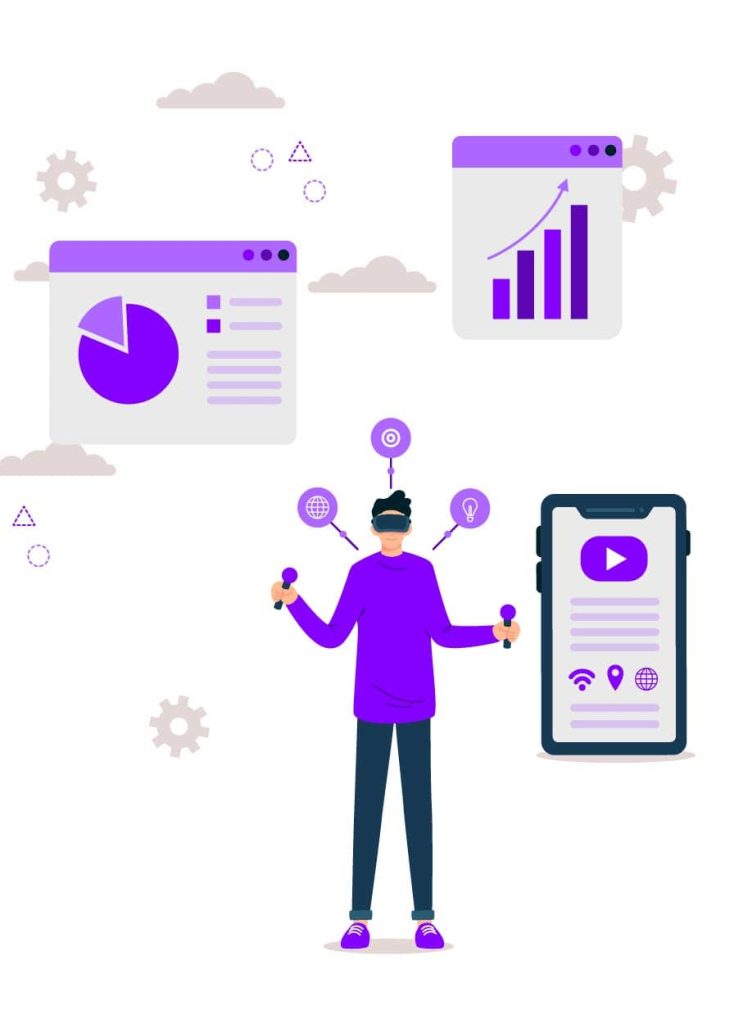
A natural example is Google Business Profile optimization. Suppose a Rochester-area service business wants more visibility in local search results. AI can analyze category selection, review themes, service descriptions, photo usage, and post frequency to suggest improvements. It can also help identify missing location signals on the website so the business appears more consistently in local search results.
For Rochester companies, this is not just about rankings. It is about generating more qualified leads from people who are ready to phone, reserve, or request a quote. Strong local SEO can support organic traffic from searchers in the Greater Rochester area while improving conversion rate optimization on the site itself.
That is why AI-driven SEO works well for local service providers, professional firms, and online retailers in the region. It connects search demand with practical business outcomes.
FAQ: AI-Driven SEO Questions Answered
What is AI-driven SEO in simple terms?
AI-driven SEO is the use of artificial intelligence to improve search engine optimization tasks such as keyword research, content planning, technical audits, and performance analysis. It helps teams understand search engine algorithms, user behavior, and content opportunities more efficiently than manual methods alone.
How does AI boost keyword research and content optimization?
AI strengthens keyword research by organizing related terms, spotting search intent, and uncovering topic clusters that may not be obvious in manual research. It boosts content optimization by suggesting related entities, semantic search patterns, and content quality improvements that better match what users expect to find.
Can AI-driven SEO help local businesses in Rochester, NY?
Yes. AI-driven SEO can help Rochester, NY businesses improve local SEO by finding neighborhood-level opportunities, optimizing Google Business Profile listings, and adapting pages for the Greater Rochester area. This can raise visibility in local search results and support lead generation from nearby customers.
Do AI tools replace SEO specialists or AI experts?
No. AI tools do not replace SEO specialists or AI experts. They handle repetitive work and surface insights, but humans still need to evaluate the data, check accuracy, guide strategy, and ensure the final content aligns with the brand and audience.
What are the biggest risks or limitations of AI-driven SEO?
The biggest risks are over-automation, generic output, and a lack of human oversight. AI can overlook nuance, local context, or brand voice if no one reviews the recommendations carefully. It can also misjudge data when algorithm updates change how rankings behave, so expert interpretation remains important.